
返回
部落格
貓砂盆怎麼挑?大小、款式與擺放位置一次搞懂
貓後苑編輯團隊發佈 2026/06/03更新 2026/06/22
貓砂盆貓砂養貓知識用品選購
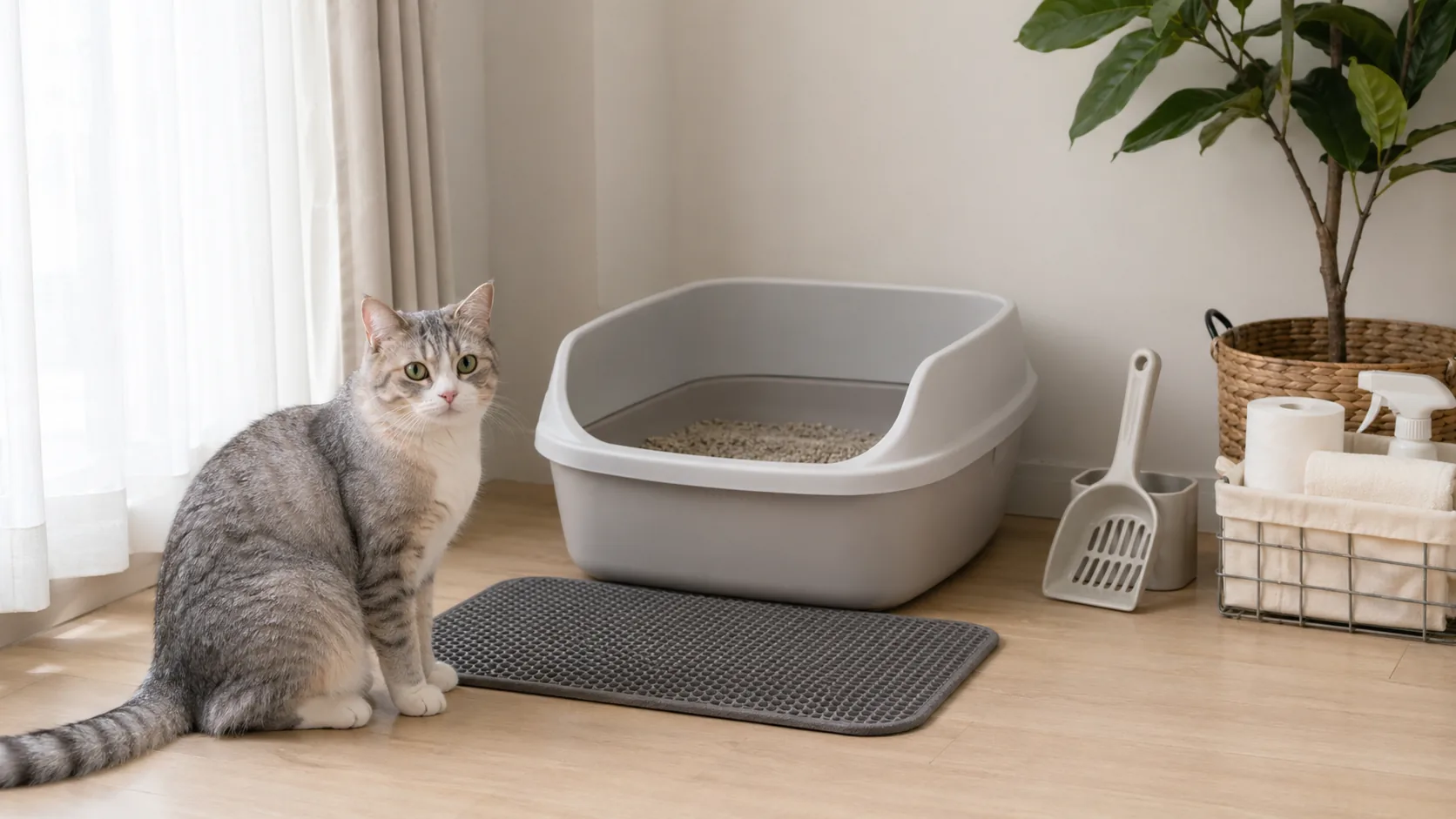
貓砂盆看似簡單,卻是影響貓咪願不願意乖乖上廁所的關鍵。盆子太小、有蓋悶臭、位置不對,都可能讓貓咪亂尿、憋尿甚至泌尿道出問題。這篇從尺寸、款式、數量到擺放位置,一次教你挑對、放對貓砂盆。
貓砂盆要多大?寧大勿小
挑貓砂盆的第一原則就是夠大。建議盆子長度至少是貓咪身長的 1.5 倍(不含尾巴),讓牠能輕鬆轉身、挖砂、蹲下而不卡邊。
很多亂尿問題,其實只是盆子太小。成貓、大型貓更要選大尺寸;用大型收納箱改造成超大貓砂盆也是熱門做法。
開放式 vs 有蓋式,怎麼選?
開放式
- 優點:通風好、氣味不易悶住、貓咪接受度高、方便觀察排泄狀況
- 缺點:粉塵與砂粒較易飛散到周圍
有蓋式 / 半罩式
- 優點:擋砂、視覺整潔、給貓咪隱私感
- 缺點:通風差、氣味易悶在內部,部分貓咪不喜歡狹小空間
不確定就先選開放式,多數貓咪偏好,之後再依貓咪反應調整。
要準備幾個貓砂盆?
黃金公式:貓咪數量加一。一隻貓兩個盆、兩隻貓三個盆。多一個盆能分散使用、降低單盆負擔與氣味,也避免多貓互相卡位造成緊張。多層住宅每層至少放一個,方便貓咪就近如廁。
擺放位置:安靜、通風、好進出
- 安靜:遠離洗衣機、電視等吵雜或會突然出聲的家電
- 通風:有助散味,但避免強風直吹
- 不要緊鄰食盆與水盆:貓咪天性不喜歡在吃飯的地方上廁所
- 好進出、不被困:別放在會被門擋住或被其他寵物堵住的死角
- 幼貓或老貓:選低門檻款式,避免跨不過高邊
自動貓砂盆值得買嗎?
自動貓砂盆能自動鏟砂、減少氣味與人力,對忙碌或多貓家庭很有吸引力,但要考量價格較高、需定期清潔保養,且部分貓咪需要適應期,膽小的貓可能會被運作聲嚇到。預算足夠、願意維護、貓咪也能接受,再考慮入手。
多久該清洗貓砂盆?
除了每天鏟便(最好早晚各一次),整盆砂建議約一到兩週全換,並用溫和清潔劑刷洗盆子,避免尿垢與細菌累積產生異味。塑膠盆用久會吸味、刮痕藏污,約一年可更換一次。
常見問題
貓咪一直在貓砂盆外尿尿怎麼辦?
先檢查盆子是否太小、太髒、位置不佳或數量不足;若都正常仍持續,可能是泌尿道或行為問題,建議就醫。
有蓋好還是沒蓋好?
多數貓咪偏好通風的開放式;有蓋式較整潔但要勤清,避免悶臭。
貓砂盆要放幾個?
貓咪數量加一,並分散在不同安靜角落。
結語
挑對貓砂盆,貓咪才會願意好好上廁所,你也省去清不完的麻煩。記住三個關鍵:夠大、夠多、放對位置。
貓後苑商城有各式貓砂盆、貓砂與除臭用品,歡迎到商城挑選。
溫馨提醒
本文整理自一般貓咪照護常識,僅供參考,無法取代獸醫的專業診斷與治療。若貓咪出現持續異常或緊急症狀,請盡快諮詢專業獸醫。