
Blog
Why Do Cats Suddenly Attack Their Owners? Understanding the Causes of Zoomies, Biting, and Out-of-Control Play, Plus Soothing Methods
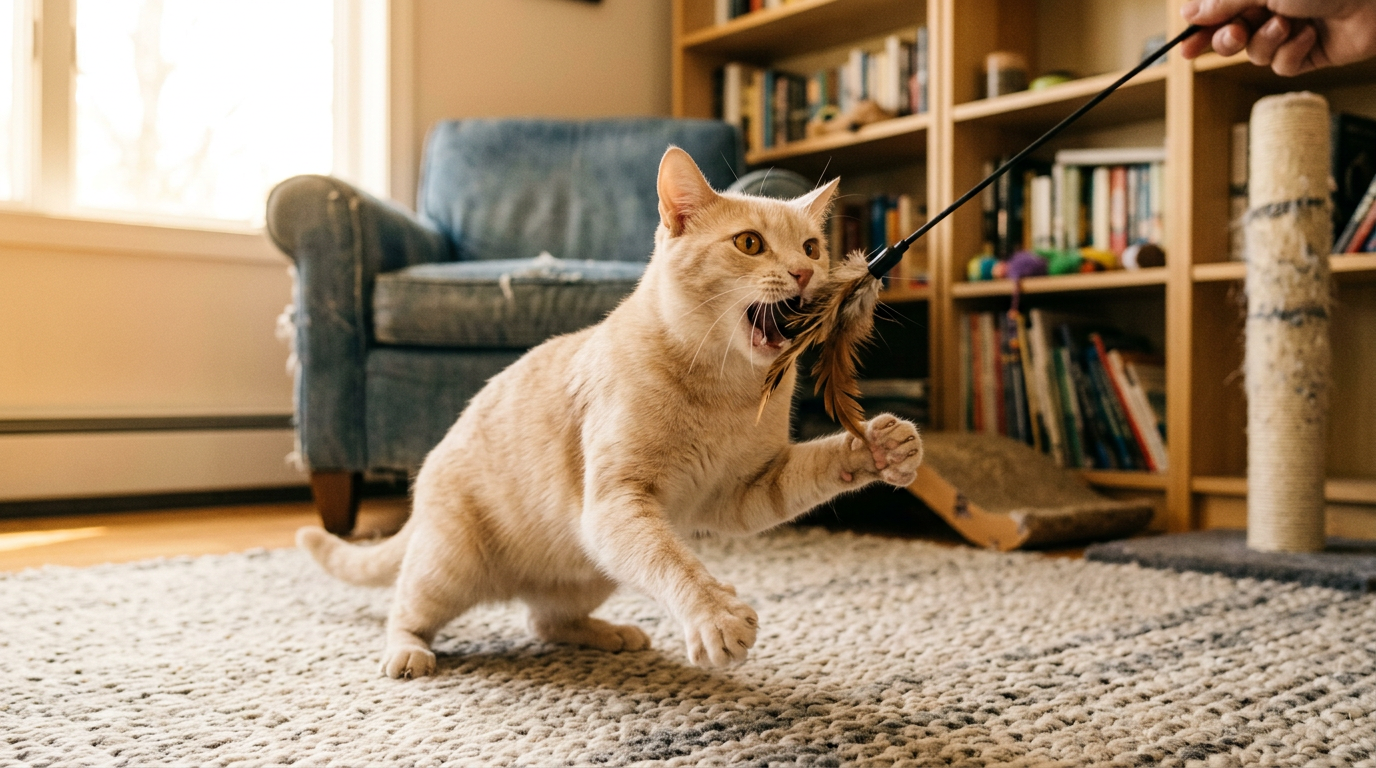
Cats suddenly attacking their owners are usually not "acting out" or "disliking you," but rather an instinctive reaction triggered by a stimulus they can't tolerate—commonly playing too intensely, being petted too much, seeing another cat outside and being unable to vent their frustration, or experiencing pain in a certain area. As long as you identify the trigger and don't confront them directly in the moment, most zoomies and biting incidents can be significantly improved.
In this article, we'll use our daily experience with a large number of cats at our cat hotel and grooming salon to break down "why cats suddenly attack their owners" into the most common scenarios, teaching you how to recognize the warning signs, how to handle the situation at the moment, and how to adjust the environment afterward.
Key Takeaways
- The four most common reasons for cats suddenly attacking their owners are: overplaying, excessive petting, redirected aggression (seeing an outside cat and attacking you), and defense due to pain or fear.
- There are almost always warning signs before an attack: rapid tail flicking, ears pressed back, skin twitching, dilated pupils. The attack usually happens within seconds.
- If you are bitten or scratched by a cat and don't immediately react and stop, the cat learns that "biting gets a reaction," which reinforces the behavior. The correct approach is to calmly withdraw and pause the interaction.
- If the aggression is sudden and accompanied by a loss of appetite or attacks when a specific area is touched, prioritize "pain" as a potential cause and seek veterinary attention promptly.
- Using a wand toy instead of your hands for play, and engaging in 10-15 minutes of vigorous play daily, can significantly reduce the frequency of zoomies and biting.
First, Distinguish: Is It Play or a Real Attack?
Many owners get anxious when their cat bites, but it's important to first differentiate between "playful behavior" and "real aggression."
- Playful: Movements are interspersed with pauses, the force is controlled, ears are forward, and they might even roll over. Bites usually don't draw blood or are gentle nibbles.
- Real Aggression/Defense: Ears are pressed back flat, pupils are dilated, the body is lowered or puffed up sideways, and they may emit low growls or hisses. The attack is fast and forceful.
Understanding this difference will help you decide whether to "pause the game" or "immediately stop the interaction and give space."
Common Reasons for Cats Suddenly Attacking Their Owners
1. Overplaying, Stuck in Hunter Mode
This is the most common reason for kittens and young cats. A cat's aggressive behavior is fundamentally hunting. When you use your fingers or toes to tease them, you're essentially making your own body their prey. When they reach a certain level of excitement, they enter a state where they "can't stop," leading to zoomies, pouncing, and holding on.
Our principles for letting energetic cats burn off energy at the salon are:
- Always use a wand toy, never your hands. Once your hands become a toy, it's hard to change later.
- Play until they "pretend to catch their prey" and let them bite it, then slowly wind down. Don't stop suddenly—a sudden halt can make them more agitated.
- Engage in 10-15 minutes of vigorous play, once or twice a day, to expend excess energy. This will greatly reduce zoomies.
Some cats knead and bite while playing excitedly. This is related to emotional expression. You can refer to Why Do Cats Knead? From Kitten Habits to Emotional Interpretation, and Is It Normal to Knead and Bite? for more information.
2. Petting-Induced Aggression
"They were enjoying it just a moment ago, why did they suddenly turn and bite me?" This is a classic case of petting-induced aggression. Cats have a limit to how much petting they can tolerate, especially in sensitive areas like the belly, base of the tail, and hindquarters. Exceeding this threshold, they'll bite to signal "stop."
The key is that they've often given signals all along, but we haven't noticed:
- Tail starts flicking rapidly or thumping the ground
- Ears slightly back, skin twitching
- Body stiffens, purring stops
When you see these signs, stop petting immediately. If you want to understand what it means when a cat leans against you or curls up beside you, you can read our What Does Your Cat's Sleeping Position Mean? Interpreting Sleeping Postures, Positions, and Their Affection Level, which offers a more comprehensive interpretation of emotional signals.
3. Redirected Aggression: They're Not Actually Angry at You
This is the most easily misunderstood and most hurtful type of aggression for owners. A cat sees another cat outside the window, hears noises outside, or is startled by something, but cannot attack the source of their frustration. When you happen to walk by or reach out to pet them, you become the target of their "redirected" aggression.
Characteristics of redirected aggression include:
- The attack is sudden and fierce, disproportionate to your current actions.
- The cat is highly alert before the attack (staring outside, fur puffed up, low growl).
How to handle it: Absolutely do not reach out to comfort or pick them up at this moment, as this will only result in another bite. Leave the room, close the curtains, or block the source of stimulation, and let them calm down for 20-30 minutes before returning. They will usually return to normal.
4. Pain or Discomfort
If a normally affectionate cat's "personality suddenly changes," and they hiss and bite when touched in a specific area, pain should be the primary suspicion. Arthritis, dental pain, ear infections, injuries, or urinary problems can all make a cat defensive.
Key indicators:
- The aggression is newly appeared, not a long-standing behavior.
- It only occurs when a specific area is touched (e.g., the lower back, when being picked up).
- Accompanied by decreased appetite, lethargy, hiding, or abnormal litter box habits.
Environmental adjustments have limited help in these cases. Please take your cat to the vet to rule out illness or injury. For related health signals, such as abnormal stool, you can refer to What to Do If Your Cat Has Blood in Their Stool? Understanding the Problems Indicated by Stool Color, Causes, and Whether to Seek Veterinary Care. For body temperature, you can read What Is a Normal Cat Body Temperature? Are a Warm Nose, Ears, or Paws a Sign of Fever? A Comprehensive Guide from Touch to Danger Signs.
5. Fear and Environmental Stress
Moving, new family members, major furniture changes, or visitors can cause a cat to be chronically stressed, lowering their threshold for aggression, and a small stimulus can trigger an outburst. Extreme heat or stuffiness can also make cats irritable—cats are actually more sensitive to heat than we think. You can read more about this in Do Cats Feel Hot? Cat Heat Tolerance, Cooling Methods, and Essential Signs of Heatstroke in Summer.
What to Do When an Attack Occurs
The most important principle at the moment: Avoid dramatic reactions and do not punish.
1. Calmly Withdraw: If bitten, don't scream or yank your hand away forcefully (struggling will make them bite harder). Relax your hand and stop moving; they will usually let go.
2. Immediately End Interaction: Stand up and walk away, ignoring them for a few minutes. This teaches them that "biting means the fun stops."
3. No Hitting or Scolding: Punishment will cause the cat to associate you with fear, often escalating the aggression or leading to long-term defensiveness.
4. Provide Space to Calm Down: After redirected or fear-based aggression, let them be alone until their emotions have settled. Don't rush to pet them.
If you are bitten and the skin is broken, remember to clean the wound and seek medical attention if necessary. Cat bites have a significant risk of infection, so don't take them lightly.
Daily Practices to Fundamentally Reduce Zoomies and Biting
- Regular Play Sessions: Use a wand toy to play with your cat until they are panting and satisfied, then follow up with a meal or treat. This simulates the natural "hunt-eat-sleep" cycle.
- Hands Are Not Toys: Ensure everyone in the household is consistent: never use hands or feet to tease the cat.
- Provide Vertical Space and Hiding Spots: Cat trees and cardboard boxes can significantly reduce stress.
- Utilize Catnip Wisely: Moderate amounts of Premium Catnip can encourage play and help with emotional release. After playing, they usually enter a relaxed phase.
- Reduce Triggers for Redirected Aggression: In multi-cat households, use window film or curtains to prevent them from staring anxiously at other cats outside all day.
- Record Triggers: Note down the time, situation, and warning signs before each attack. You'll quickly find patterns.
If you need to travel and are concerned about your cat becoming more anxious while alone, choosing an environment with dedicated staff observing their behavior can be a form of care. You can learn more about our Boarding services. For everyday supplies, you can directly visit our shop.
When to Seek Professional Help
- The frequency and intensity of attacks are increasing.
- The aggression is "sudden" and accompanied by changes in energy, appetite, or litter box habits → See a vet first to rule out pain.
- The entire family is afraid to interact due to bites, affecting daily life.
In these cases, it's recommended to first consult a veterinarian (to rule out physiological issues) and, if necessary, seek advice from a cat behaviorist. The sooner aggression is addressed, the easier it is to manage; delaying can lead to ingrained habits.
Frequently Asked Questions
Is it normal for my cat to suddenly bite me hard during play?
If it's playful biting due to overexcitement, it's a common behavior. Using a wand toy and increasing play time usually helps. However, if their ears are flattened, they growl, or the bite draws blood, it leans towards real aggression or discomfort, and you should re-examine the triggers.
My cat suddenly attacks me, can I punish them?
It's not recommended. Hitting or scolding will make your cat associate you with fear, often escalating the aggression. The correct approach is to calmly withdraw and pause the interaction, teaching them that "aggression means the fun stops."
Why does my cat suddenly bite when I'm petting them?
This is typical petting-induced aggression. Cats have a tolerance limit for petting. Before biting, there are usually warning signs like tail flicking, skin twitching, and ears pressed back. If you see these, stop petting immediately.
Is it possible my cat is sick if they suddenly become aggressive?
It's possible. If aggression is "newly appeared" and occurs when a specific area is touched, pain or illness should be the primary suspicion. It's recommended to seek veterinary attention promptly to rule this out. Don't delay if symptoms persist or worsen.
What should I do if my cat suddenly attacks me in a multi-cat household?
This is often redirected aggression—they are angry at another cat or an outside cat but take it out on you. In the moment, leave the room, avoid reaching out, block the stimulus, and let them calm down for twenty to thirty minutes before interacting.
---
*This article was written by the Mao Hou Yuan editorial team. The content is for general care and behavioral experience sharing. If your cat's aggressive behavior appears suddenly, worsens, or is accompanied by other abnormalities, please consult a veterinarian as soon as possible.*
Keep reading

Why Do Cats Knead? Understanding the Instinct from Kittenhood to Emotional Cues, and Is Biting Normal While Kneading?
Cat kneading is an instinctive behavior retained from kittenhood when they nurse. For adult cats, it usually signifies relaxation, comfort, and trust. This article explains the origins of kneading, its emotional signals, and addresses common concerns like biting during kneading and why cats choose specific targets.

What is a Cat's Primordial Pouch? Understanding the Loose Skin on Their Belly
The loose, dangling skin on a cat's belly is usually its "primordial pouch," a protective structure from wild evolution, not a sign of weight gain. This article helps you distinguish between the primordial pouch and obesity.
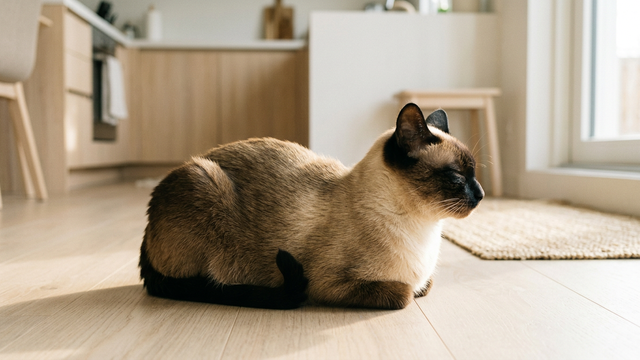
What is the Cat Loaf Pose? Interpreting Your Cat's Health and Emotions from Their Loafing Posture
A cat's loaf pose is usually a sign of relaxation, but if they are curled up very tightly with tense eyes, they might be in pain. Learn to distinguish between their emotions and health from subtle cues.