
返回
部落格
貓咪幾歲算老?熟齡貓的飲食、就醫與居家照護重點
貓後苑編輯團隊發佈 2026/06/03更新 2026/06/22
老貓熟齡貓健康居家照護
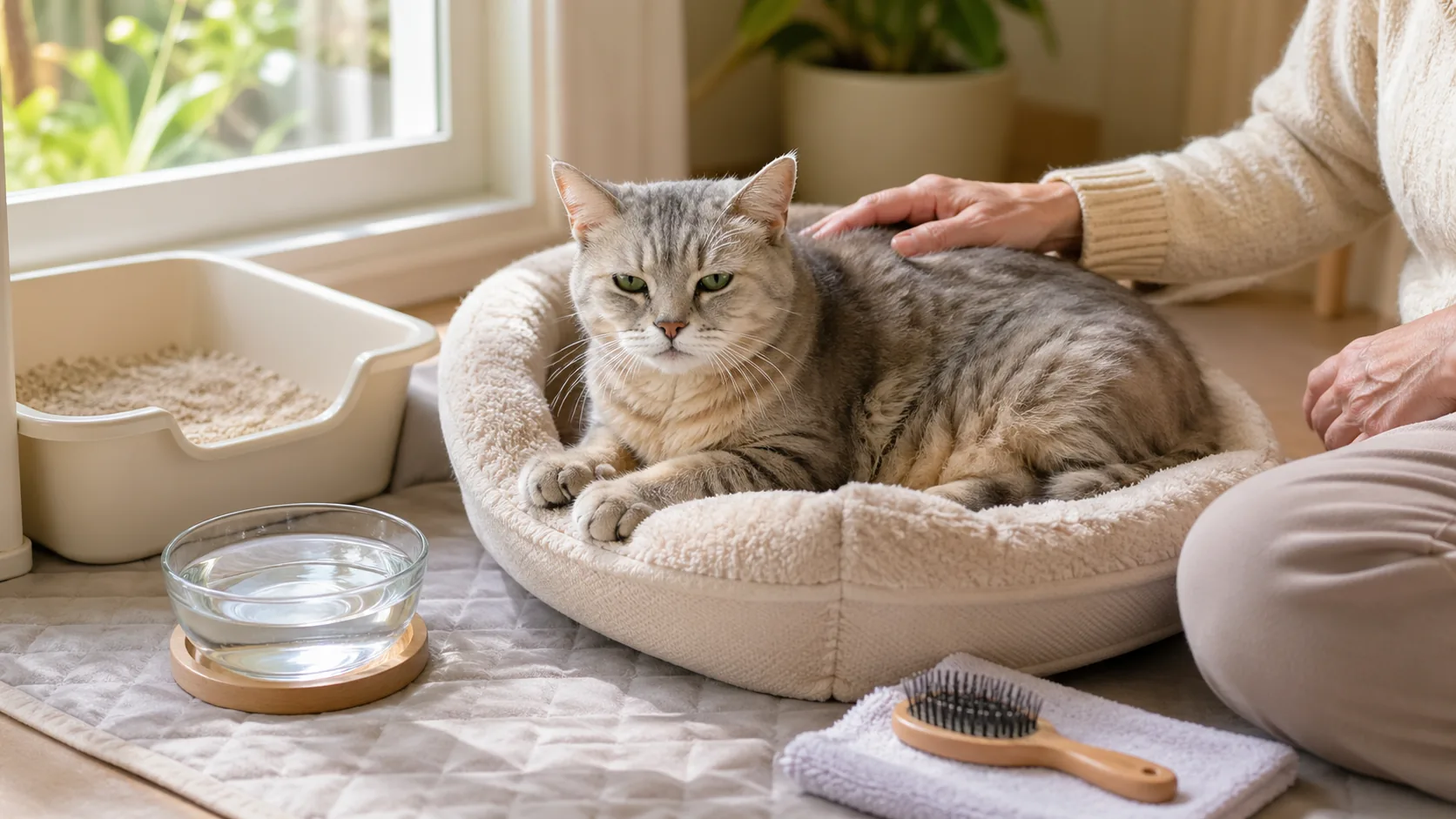
貓咪的老化是慢慢發生的,往往等到你發現「牠好像跳不上去了」才驚覺。其實只要在牠步入熟齡時,提早調整飲食、環境與就醫頻率,就能讓老貓過得更舒服、也更早抓到健康問題。
貓咪幾歲算老?
一般以年齡分成幾個階段:
- 成熟期:約 7 到 10 歲,開始進入熟齡
- 高齡期:約 11 到 14 歲
- 老年期:15 歲以上
換算成人類年齡,7 歲的貓大約等於人類 40 多歲,15 歲約等於 70 多歲。所以 7 歲就可以開始用「熟齡貓」的角度照顧牠了。
老貓常見的變化
- 睡得更多、活動量下降
- 跳不上原本能跳的高度、上下樓變慢
- 體重悄悄改變(變胖或變瘦都要注意)
- 毛變得比較沒光澤、理毛變少
- 比較容易緊張、對環境變動更敏感
這些變化有些是自然老化,有些卻是疾病的早期訊號,不要一律當成「牠老了正常」。
飲食怎麼調整
- 選擇好消化、適口性好的食物,老貓嗅覺味覺退化容易食慾下降
- 特別重視補水:老貓腎臟負擔大,可提高濕食比例(可參考〈貓咪一天要吃多少〉)
- 若已有腎臟病、甲狀腺等問題,要依獸醫指示選處方飲食
- 不要自行亂補保健品,先和獸醫確認
就醫與健康檢查
健康的成貓建議一年一次健檢,熟齡與高齡貓則建議半年一次。老貓健檢不能只抽血,最好包含:
- 血液檢查(腎、肝、甲狀腺等)
- 血壓測量
- 尿液檢查
- 體重與身體狀況評估
老貓常見的慢性腎臟病、甲狀腺亢進、糖尿病、關節炎,越早發現越好控制。
居家環境這樣調整
- 貓砂盆改用低門檻款式,方便跨進跨出
- 在牠常待的高處旁加踏階或斜坡,減少跳躍負擔
- 食物、水、貓砂盆放在好到達、不用爬上爬下的位置
- 注意保暖,老貓較怕冷
- 多放幾個水碗,鼓勵喝水
要盡快就醫的健康警訊
- 喝水變多、尿變多(可能是腎臟或糖尿病)
- 明顯變瘦或食慾大幅改變
- 反覆嘔吐、拉肚子
- 走路僵硬、不願跳躍、活動力驟降
- 突然躲起來、性格大變
常見問題
貓咪幾歲要開始當老貓照顧?
約 7 歲起就可以用熟齡貓的角度調整,提早重視飲食補水與定期健檢。
老貓多久健檢一次?
建議半年一次,並包含血液、血壓與尿液檢查,而不只是抽血。
老貓變瘦是正常的嗎?
不一定。體重明顯下降可能和腎臟病、甲狀腺亢進或糖尿病有關,建議就醫檢查。
結語
老貓照顧的重點,是提早調整、定期檢查、細心觀察。把環境變得好走、飲食變得好吃好補水,再搭配半年一次的健檢,就能陪牠安穩走過晚年。
需要熟齡貓的食器、保暖與照護用品,歡迎到貓後苑商城選購;外出時也可安排安心的貓咪住宿。
溫馨提醒
本文整理自一般貓咪照護常識,僅供參考,無法取代獸醫的專業診斷與治療。若貓咪出現持續異常或緊急症狀,請盡快諮詢專業獸醫。