返回
部落格
貓咪一天要吃多少?乾飼料、濕食與喝水重點
貓後苑編輯團隊發佈 2026/06/03更新 2026/06/22
飲食濕食喝水健康
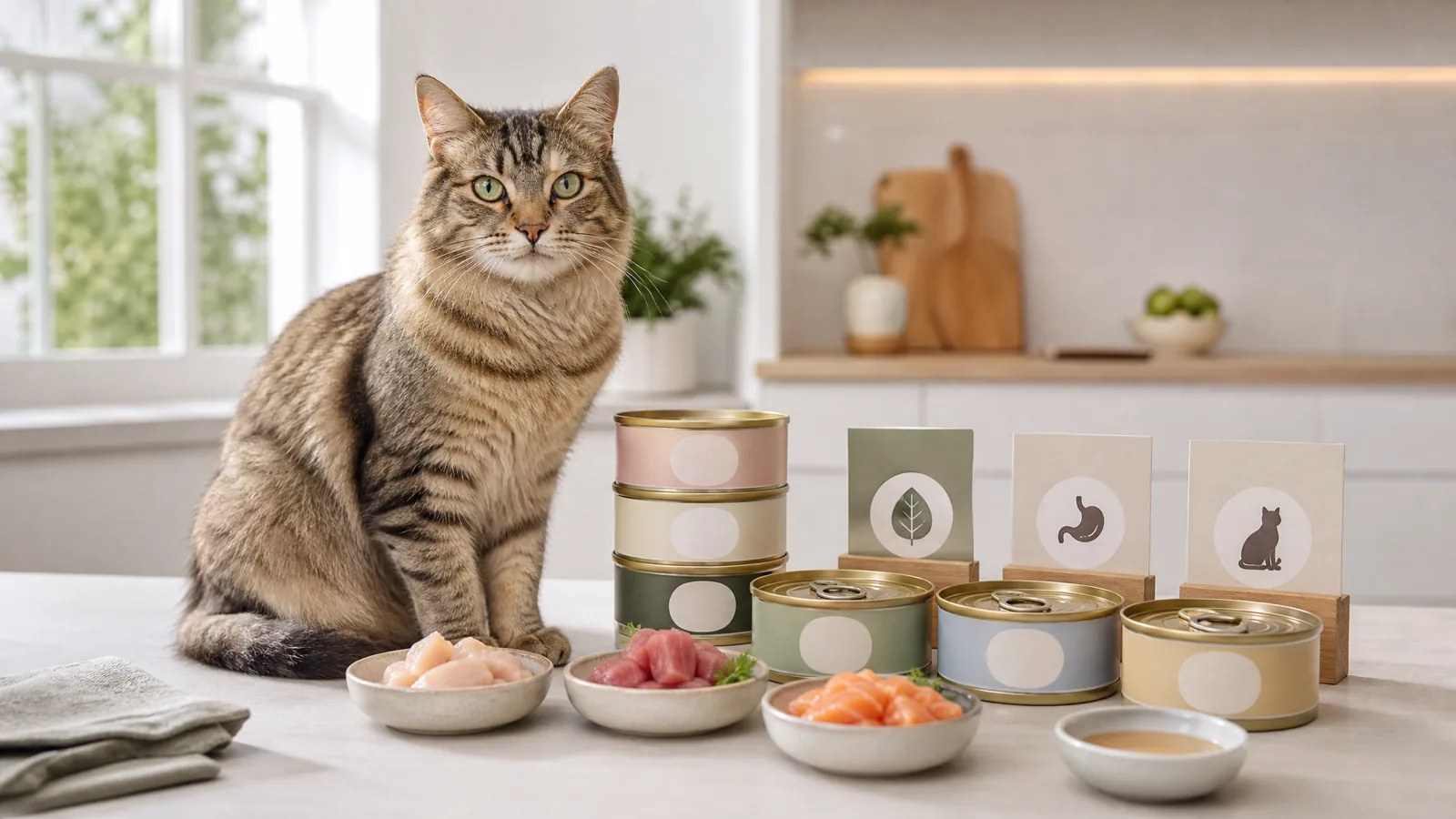
「到底要餵多少才對?」幾乎是每個新手都會卡的問題。餵太多會胖、太少又怕餓著。其實餵食量要看熱量需求,而不是憑感覺抓一把,這篇幫你抓對日常飲食的重點。
一天要餵多少?以熱量和體態為準
每隻貓需要的熱量和體重、年齡、活動量、是否結紮都有關,沒有單一標準。實務上可以這樣做:
- 先以飼料包裝的建議餵食量為起點(通常依體重分段)
- 再依貓咪的體態評分微調:摸得到肋骨、有腰線最理想
- 幼貓、懷孕哺乳貓需求高;結紮後、室內老貓需求較低
定期量體重、看體態,比死守某個數字更準。
乾飼料 vs 濕食,怎麼搭?
- 乾飼料:方便、好保存、單價低,但水分低
- 濕食(罐頭、餐包):水分高(約 70% 以上)、適口性好,能幫助補水
很多飼主採乾濕混餵:乾飼料方便日常,濕食補水又增加進食意願,是不錯的折衷。挑濕食可留意成分單純、肉源清楚。
為什麼一定要讓貓多喝水?
貓咪天生不愛喝水,長期水分不足會增加腎臟與泌尿道負擔。增加飲水可以:
- 多放幾個水碗、用流動飲水機
- 提高濕食比例(最直接有效)
- 水碗和食盆、貓砂盆分開放
一天餵幾餐?
成貓一天兩到三餐是常見安排;幼貓需要少量多餐。重點是定時定量,避免整天放飼料任food(自由採食)造成過食肥胖,也不利觀察食慾變化。
換食要循序漸進
突然換糧容易軟便、拉肚子。建議用七日換食法:
- 第 1~2 天:新糧約 1/4
- 第 3~4 天:新舊各半
- 第 5~6 天:新糧約 3/4
- 第 7 天:完全換新
過程中觀察排便,不對就放慢。
常見問題
可以一直放著乾飼料讓牠自己吃嗎?
不建議長期自由採食,容易過食肥胖、也不好觀察食慾。定時定量較理想。
貓咪都不喝水怎麼辦?
提高濕食比例最有效,再搭配多放水碗、使用流動飲水機,並把水和食物、貓砂盆分開放。
一定要餵濕食嗎?
不一定,但濕食能幫助補水。即使以乾飼料為主,也建議搭配一些濕食或多管道補水。
結語
餵食沒有萬用公式,看熱量、看體態、看喝水,再依貓咪狀況微調,就是最好的飲食管理。換糧記得慢慢來,腸胃才不會抗議。
貓後苑商城備有貓飼料、罐頭與飲水用品,歡迎到商城挑選。
溫馨提醒
本文整理自一般貓咪照護常識,僅供參考,無法取代獸醫的專業診斷與治療。若貓咪出現持續異常或緊急症狀,請盡快諮詢專業獸醫。