What to Do About Cat Diarrhea? Understand the Causes, Color Interpretation, and When to See a Vet for Soft or Watery Stools
When your cat has diarrhea, first check their energy levels and stool color to decide whether to monitor at home or seek veterinary care. This article helps you interpret soft and watery stools, identify the causes of diarrhea, and understand the correct approach to fasting.
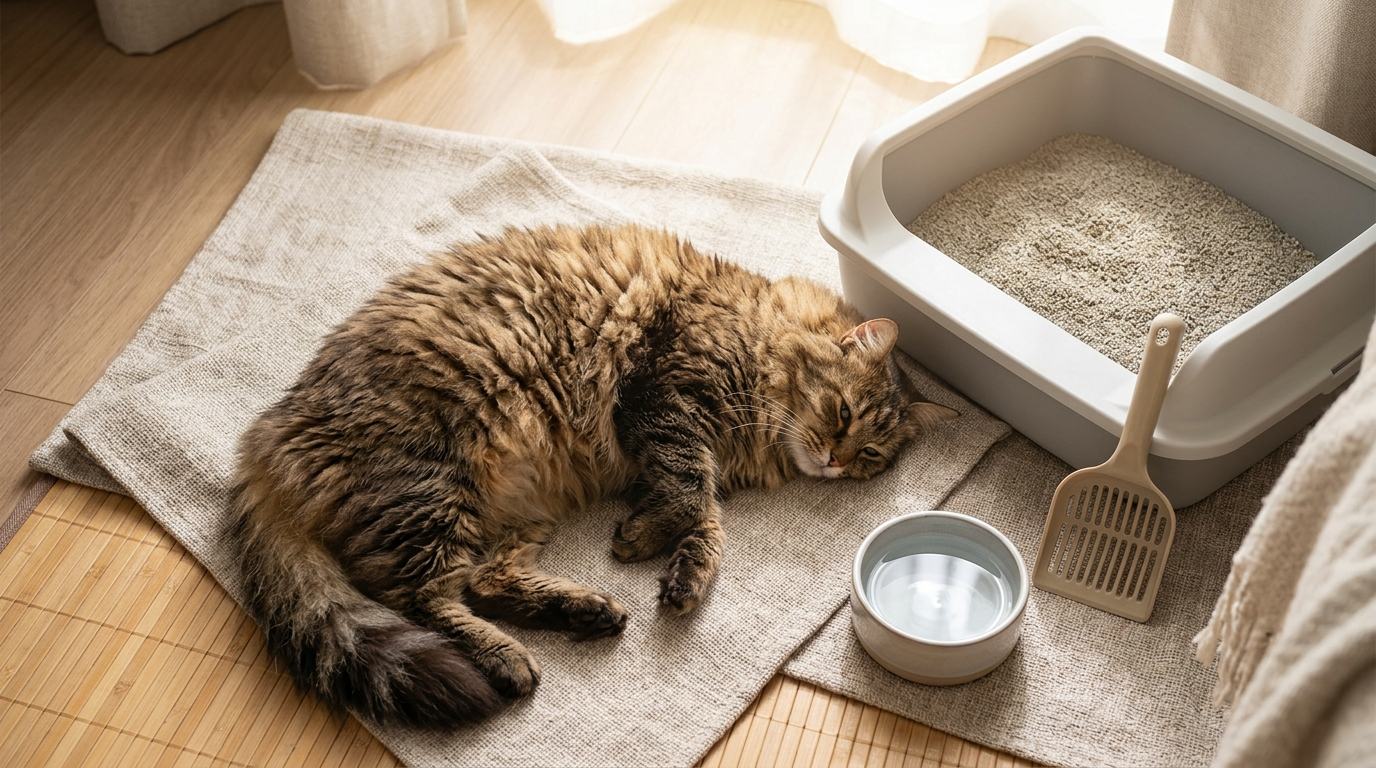
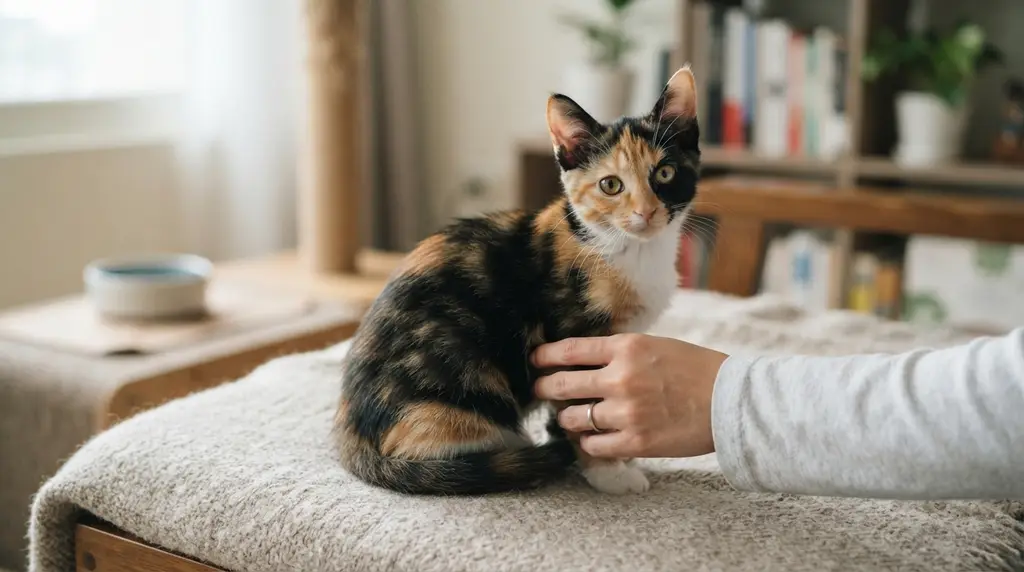
When your cat has diarrhea, the first two things you should do are: observe their energy and appetite and check the color and shape of their stool. If your cat only has soft stools once or twice and their energy and appetite are normal, you can usually observe them at home for 24 hours. However, if they have watery stools, bloody stools, vomiting combined with not eating or drinking, or are lethargic and withdrawn, don't wait – take them to the vet immediately.
In our facility, we've cared for many cats boarding with us, and changes in environment, diet, or hot weather are the most common triggers for digestive upset. This article uses our frontline experience to help you fully understand "cat diarrhea."
Key Takeaways
- For simple soft stools with normal energy and appetite, observe at home for 24 hours; watery stools, bloody stools, or vomiting require prompt veterinary attention.
- Diet change, parasites, and spoiled food in summer are the three most common causes of cat diarrhea.
- Stool color is an important clue: bright red indicates lower digestive tract bleeding, black tarry stools suggest upper digestive tract bleeding, and grayish-white may point to biliary issues, all warranting a vet visit.
- Adult cats with short-term diarrhea can be fasted for 8-12 hours (but not water); fasting is not recommended for kittens, senior cats, or those with chronic illnesses.
- Kittens, senior cats, or those with watery stools lasting over 24 hours are at high risk of dehydration and should be prioritized for veterinary care.
First, Differentiate: What's the Difference Between Soft and Watery Stools?
Many owners get nervous at the sight of any unformed stool, but the severity can vary greatly.
- Soft Stool: Still has a discernible shape but is soft, sticky, and clings to the litter scoop. This usually indicates mild gastrointestinal discomfort and warrants observation.
- Mushy Stool: Resembles toothpaste or pudding, lacking a clear shape. This suggests more significant intestinal irritation.
- Watery Stool: Almost liquid and often expelled forcefully. This indicates excessive intestinal secretion and rapid motility, leading to rapid dehydration, and requires heightened vigilance.
Frequency Matters Too
One soft stool a day is entirely different from running to the litter box multiple times an hour. The latter, even if the stool doesn't look extreme, signifies an intense intestinal reaction and requires veterinary attention.
What we use for this
CatGarden’s own products, shipped from Taiwan Pro ProbioticsFrom RM49.90 per boxFree shipping on multi-packs
What Are the Causes of Cat Diarrhea?
1. Changing Food Too Quickly (Most Common and Easiest to Prevent)
Cats' digestive systems are sensitive to food changes. Suddenly switching to a new brand can easily cause soft stools. The correct method is a gradual transition over 7 days: Old:New = 7:3 → 5:5 → 3:7, slowly transitioning over a week. For cats with sensitive stomachs, we extend this to 10 days or more.
2. Parasites
Roundworms, coccidia, and Giardia can cause chronic or recurring soft stools, especially in kittens or cats recently brought home from outdoors. This type of diarrhea often "comes and goes," and fasting alone won't resolve it; a fecal test is needed for targeted deworming.
3. Eating Something They Shouldn't Have
Sneaking human food, overindulging in treats, or eating spoiled wet food can all lead to diarrhea. Before feeding new ingredients, it's advisable to research them. For common questions like Can Cats Eat Shrimp? or Can Cats Eat Eggs?, feeding the wrong amount or raw food can cause diarrhea. Also, be sure to avoid Dangerous Foods for Cats.
4. Stress and Environmental Changes
Moving, the addition of a new family member, or boarding can cause stress-induced diarrhea in cats. This is why, when arranging boarding, we ask owners to bring their cat's usual food to minimize digestive fluctuations.
5. Medical Conditions
Problems with the pancreas, liver, kidneys, thyroid, or conditions like inflammatory bowel disease or tumors can manifest as chronic diarrhea. If diarrhea persists for more than two to three weeks or is accompanied by weight loss, further investigation by a vet is necessary.
Why Are Cats More Prone to Diarrhea in the Summer?
Summer is peak season for diarrhea, and the reasons are practical:
- Spoiled Wet Food: Wet food left at room temperature or opened cans can start breeding bacteria within 30 minutes, leading to digestive upset if consumed. In hot weather, we recommend opening only what your cat will eat immediately, refrigerating leftovers promptly, and not reheating more than once.
- Dehydration and Heat: Dehydration can worsen intestinal conditions. In summer, provide multiple water bowls or use a Cat Water Fountain to encourage drinking.
- Heatstroke with Digestive Symptoms: Early signs of heatstroke in cats can include vomiting and diarrhea. If accompanied by open-mouth panting and lethargy, address Cat Heatstroke Signs and Cooling as this is an emergency.
How to Interpret Stool Color
Color is a very useful home clue; take a quick look when scooping the litter box:
- Yellowish-Brown to Dark Brown: Normal range; if just soft, observation is sufficient.
- Bright Yellow, Large Volume: Common with indigestion, diet changes, or overeating; usually mild.
- Green: Food passing too quickly, bile not being reabsorbed in time, usually accompanied by diarrhea.
- Bright Red Streaks/Clots: Bleeding in the lower digestive tract (colon, anus), possibly due to colitis or straining; veterinary attention recommended.
- Black, Tarry Stools: Bleeding in the upper digestive tract (stomach, small intestine); an alert sign, seek veterinary care immediately.
- Grayish-White: May indicate biliary or pancreatic issues, requiring examination.
For more details on bloody stools, read this article on What to Do About Cat Blood in Stool Color, which breaks down the causes for different stool colors more finely.
Should Cats with Diarrhea Be Fasted?
This is the most frequently asked question, and the answer is it depends, and never withhold water.
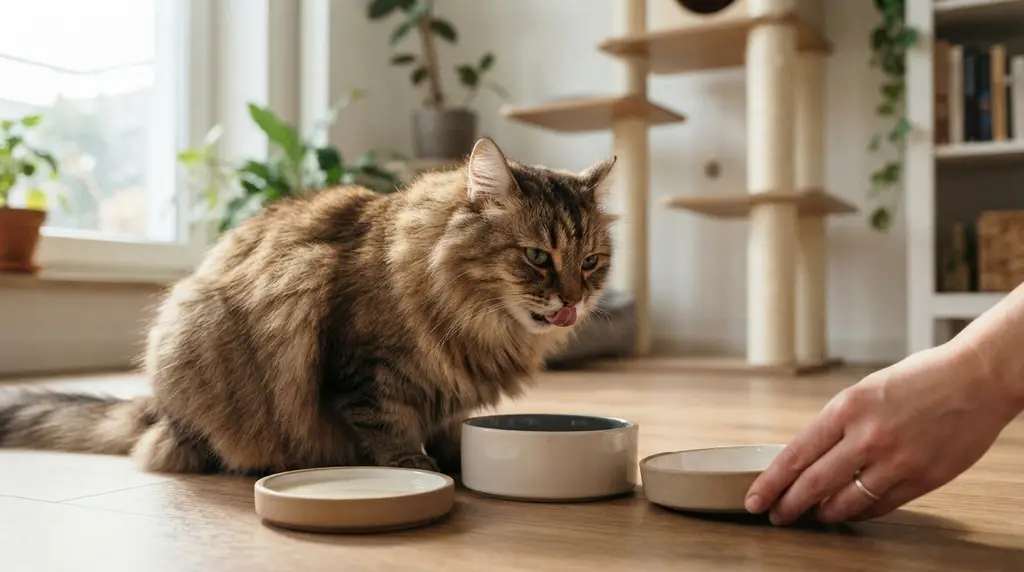
- Adult Cats, Mild Diarrhea, Good Energy: You can withhold food for 8-12 hours to let the digestive system rest, then offer small, frequent meals of bland, easily digestible food.
- Kittens, Senior Cats, Cats with Chronic Illnesses (e.g., diabetes, liver disease): Fasting is not recommended. They have poorer blood sugar and energy reserves, and the risk of hypoglycemia from prolonged fasting is high; consult your veterinarian directly.
- Always Provide Water: Dehydration is the biggest concern with diarrhea; water must be available at all times.
When resuming feeding after fasting, we typically start with small amounts, observe the reaction, and then gradually increase back to the original portion size. Gut flora needs time to rebuild; supplementing with Specialty Probiotics can help stabilize it, but probiotics are supportive and cannot replace veterinary care.
When to Seek Veterinary Care Immediately
If any of the following occur, stop observing at home and seek veterinary care immediately:
- Watery stools with multiple litter box visits per day
- Stools with blood, black tarry stools, or grayish-white stools
- Combined with persistent vomiting, complete lack of appetite or thirst
- Noticeably decreased energy, hiding, or withdrawal
- Diarrhea lasting over 24-48 hours with no improvement
- Kittens or senior cats experiencing any diarrhea should be seen by a vet sooner rather than later.
- The cat feels hot to the touch, suggesting a fever.
For fever assessment, refer to our related article What to Do About Cat Fever? Normal Temperature, How to Measure, and Danger Signs. Diarrhea combined with fever often indicates infection or a more serious issue.
How to Assess Dehydration?
Gently pinch the skin on the back of the neck and release. It should snap back quickly. If it returns slowly, or the gums feel dry and sticky, these are signs of dehydration and require veterinary fluid therapy.
What Can Be Done at Home?
1. Record: Take photos of the stool, note the frequency, time, and color. This is very helpful for the vet.
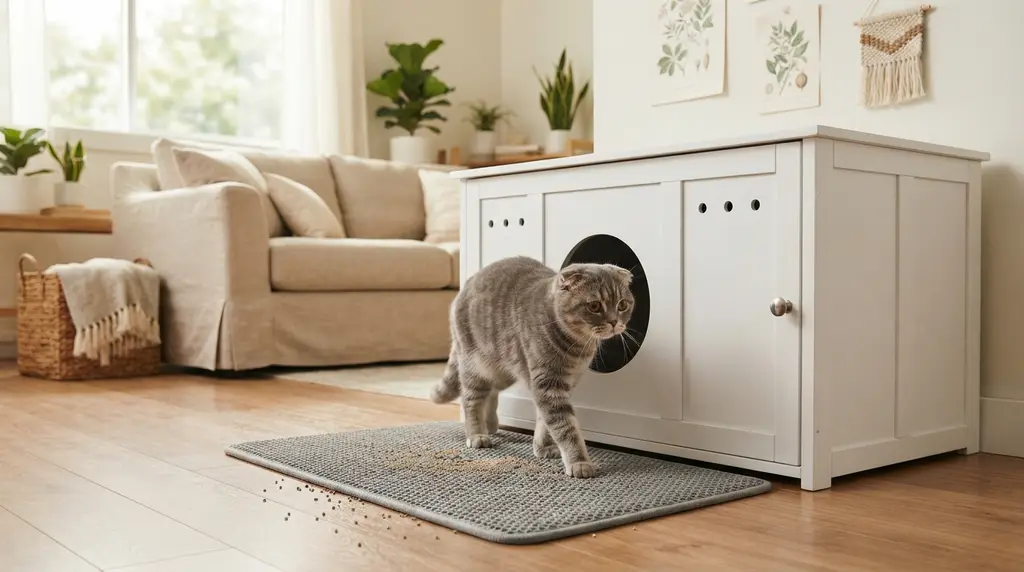
2. Maintain a Clean Environment: Scoop the litter box frequently, change litter regularly to reduce bacterial buildup. Using an easy-to-clean, odor-controlling Odor Control Mineral Litter 3.0 can also help you spot abnormal stools faster.
3. Bland Diet: During recovery, offer easily digestible prescription food or bland wet food. Don't rush to give new treats.
4. Warmth and Quiet: Ensure your cat rests in a calm, undisturbed area.
During diarrhea, cats may frequently groom their hindquarters. If the fur is long and becomes matted with feces, do not pull it out forcefully. Consider booking a grooming appointment to assist with localized cleaning and prevent skin irritation.
Frequently Asked Questions
My cat has soft stools but good energy, do I need to see a vet?
For occasional soft stools with normal eating and drinking, you can observe at home for 24 hours and record the stool condition. If soft stools persist for more than two days, increase in frequency, or if bloody stools appear, you should see a vet.
Can cats take human anti-diarrheal medication?
No. Human anti-diarrheal medications (especially those containing salicylates) can be toxic to cats, and dosages are difficult to determine. Always consult a veterinarian for an assessment and appropriate medication for your cat.
Why is diarrhea particularly dangerous for kittens?
Kittens are small with limited reserves of water and energy. A few bouts of diarrhea can quickly lead to dehydration and hypoglycemia. For kittens experiencing watery stools or recurrent soft stools, it's recommended to seek veterinary care promptly and avoid self-fasting.
How long does diarrhea last after changing food?
If it's simply due to changing food too quickly, returning to the original food and gradually mixing it in over 7-10 days should lead to gradual improvement within a day or two. If diarrhea persists even after switching back to the old food, other causes should be considered, and veterinary attention is needed.
Are probiotics helpful for cat diarrhea?
Probiotics help stabilize gut flora and aid in recovery, but they are a supplement and cannot replace diagnosis and treatment. If diarrhea is severe or persistent, it's still necessary to see a vet to find the underlying cause.
This article provides general care information and cannot replace veterinary diagnosis. If your cat's symptoms persist or worsen, please seek veterinary care promptly.
CatBackyard Editorial Team
CatGarden offers curated supplies, cat boarding, and grooming
Book services or shop online.