
Blog
When is Cat Shedding Season? Is Heavy Summer Shedding Normal? A Guide to Grooming Frequency and Dietary Strategies
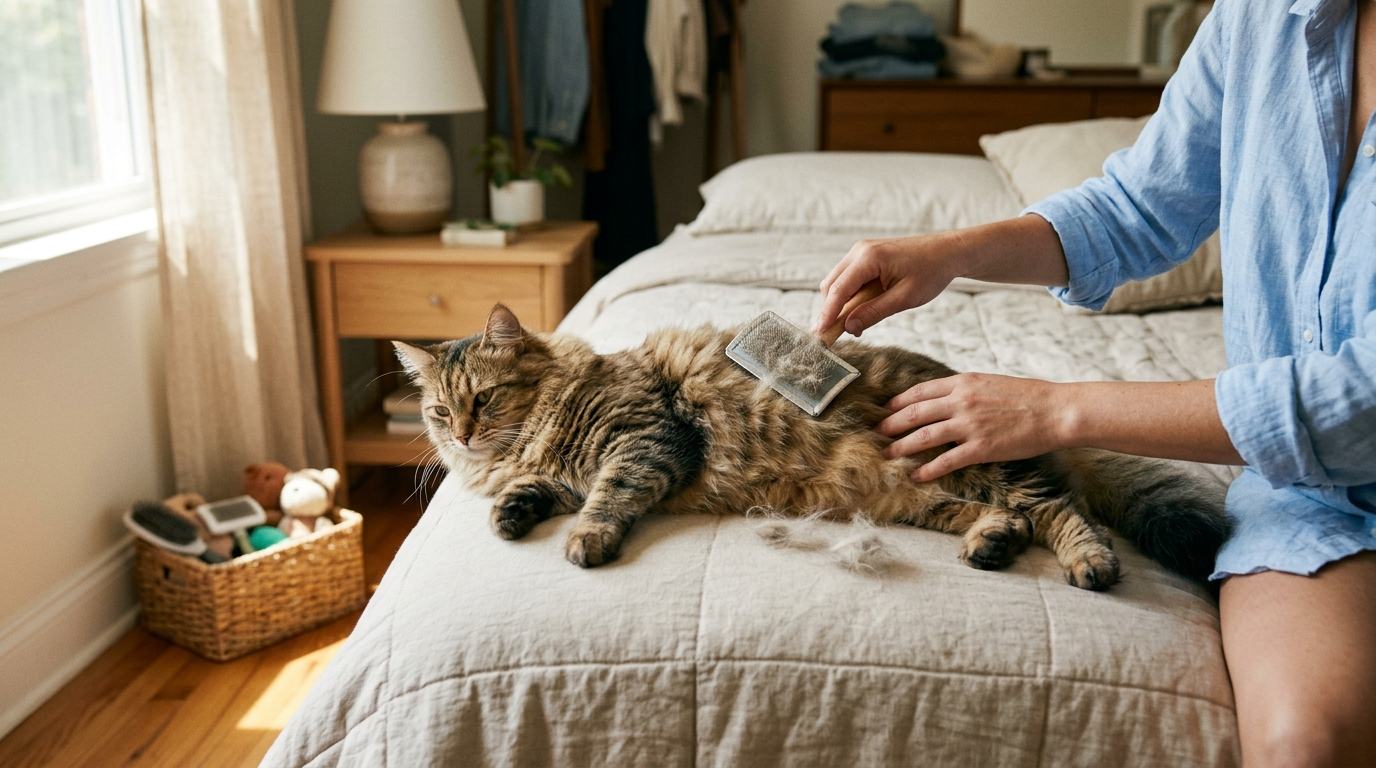
Cat shedding season primarily occurs in spring (around March-May) and autumn (around September-November). Around these seasonal transitions, temperature and daylight changes are most significant, leading to the most noticeable shedding. As for the common question many owners ask in July, "Why is my cat still shedding so much in the summer?" – it's mostly normal. This is because indoor air conditioning, stable daylight, and humidity in Taiwan can lengthen a cat's shedding cycle and blur the lines between seasons.
Drawing from our firsthand experience bathing and grooming hundreds of cats at our facility, we'll guide you through understanding shedding timelines, distinguishing "normal shedding" from "abnormal hair loss," and provide strategies for grooming frequency and diet.
Key Takeaways
- Cat shedding season is concentrated in spring (March-May) and autumn (September-November), corresponding to periods of increasing/decreasing daylight.
- Indoor cats, due to constant air conditioning and stable daylight, may shed year-round. Their shedding seasons are less distinct than outdoor cats, and summer shedding is normal.
- During peak shedding periods, it's recommended to groom daily for 5-10 minutes. Long-haired cats may benefit from grooming twice a day (morning and evening) to prevent matting.
- If shedding is accompanied by bald patches, red, swollen, or crusty skin, excessive licking, or weight loss, it's likely not just shedding and requires veterinary attention.
- During shedding season, increase water intake, supplement with Omega-3 fatty acids, and use hairball remedies to reduce hairball buildup and improve coat quality.
When Exactly is Cat Shedding Season?
Cat shedding is primarily influenced by daylight length, followed by temperature. When days get longer (spring) or shorter (autumn), the body initiates a shedding mechanism to replace old fur with a coat suitable for the new season's thickness.
Two Distinct Shedding Peaks
- Spring Shedding (approx. March-May): Cats shed their heavy winter coats and grow in lighter summer fur. This is the period of most significant hair loss in the year, as they shed the dense undercoat.
- Autumn Shedding (approx. September-November): Cats shed their lighter summer fur and grow back their insulating winter coat. The amount of shedding is usually less than in spring, but new fur grows in quickly.
The answer to "แมวผลัดขนช่วงไหน" (When do cats shed?) often searched by Thai owners is also the same: primarily during the spring and autumn transition periods.
Why Do Indoor Cats Shed "All Year Round"?
This is our most frequently asked question. The reasons are:
- Artificial lighting provides stable indoor daylight hours year-round, preventing the body from receiving clear "seasonal change signals."
- Air conditioning and heating minimize indoor temperature fluctuations throughout the year.
- Consequently
One email a month: hand-picked cat care tips and new arrivals. No spam.
Keep reading
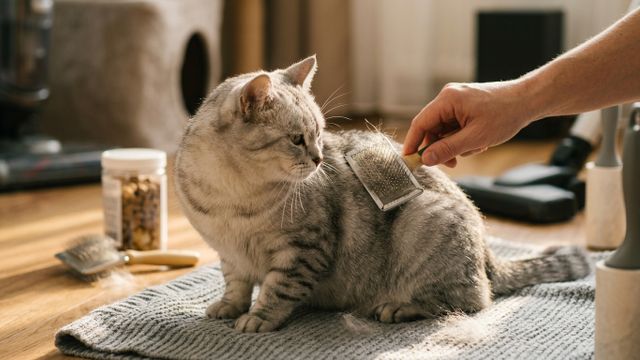
Caring for Your Cat During Shedding Season: A Comprehensive Guide to Brushing, Diet, and Environmental Cleaning
Cat shedding season, typically during spring and summer transitions, is a normal physiological process. The key is to increase brushing frequency, supplement with hairball remedies and hydration, and watch for signs of localized baldness or skin irritation.
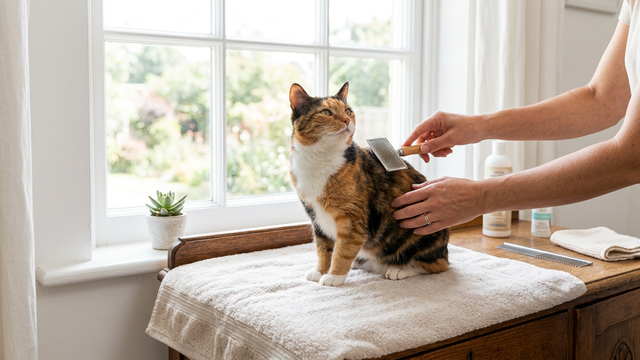
How Often Should You Bathe Your Cat? Understanding Summer Bathing Frequency, Water Temperature, and DIY vs. Professional Grooming
Most healthy domestic cats only need 2 to 4 baths per year and don't require the frequent bathing of dogs. During summer, when sebum production is higher and odors can be more pronounced, bathing frequency can be slightly increased, but water temperature, thorough drying, and the cat's stress levels are crucial factors.
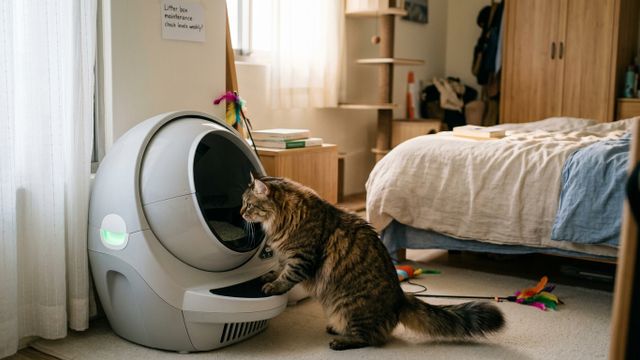
Automatic Litter Box Recommendations: How to Choose, Pros & Cons, Safety, and Cleaning Essentials
Automatic litter boxes are ideal for multi-cat households, people who sit for long periods, and those wanting to reduce odor. However, use caution with kittens, underweight cats, or extremely timid felines. Key selection factors include safety sensors, opening size, and ease of cleaning.